
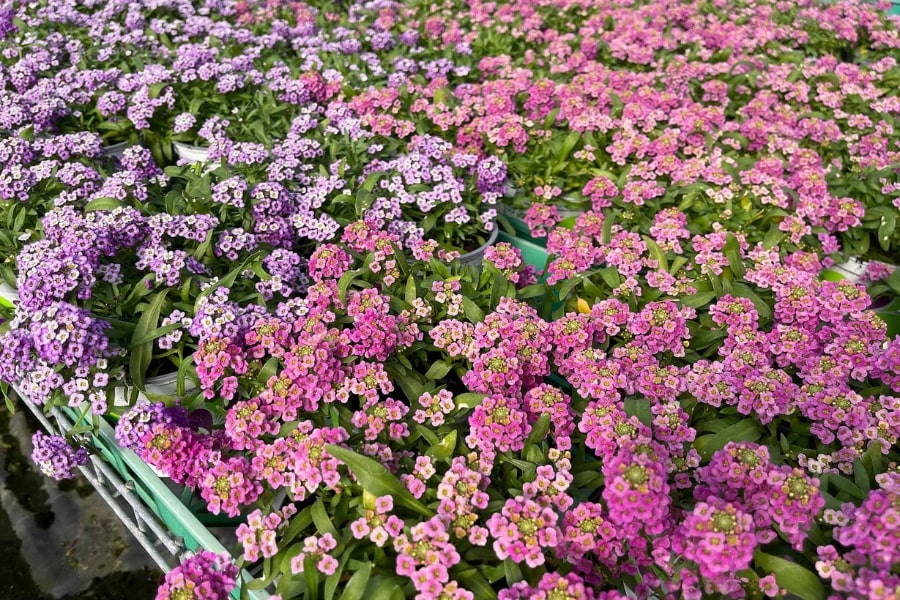
Lobularia, is as an annual plant (in the SC Upstate) from the Brassicaceae family, although there are perennial varieties. It is native to the Mediterranean region and typically grows up to 30 cm tall. These plants have small, fragrant flowers that bloom in clusters and come in shades of white, pink, lavender, and purple. They form a compact and mound-like shape, with branches branching out in a graceful and low-growing manner. It is well known for it’s most popular cultivar, Lobularia maritima, also known as Sweet Alyssum.
Our Selection of Lobularia
At Martin Garden Center, we will be growing the following Lobularia varieties in 2025:
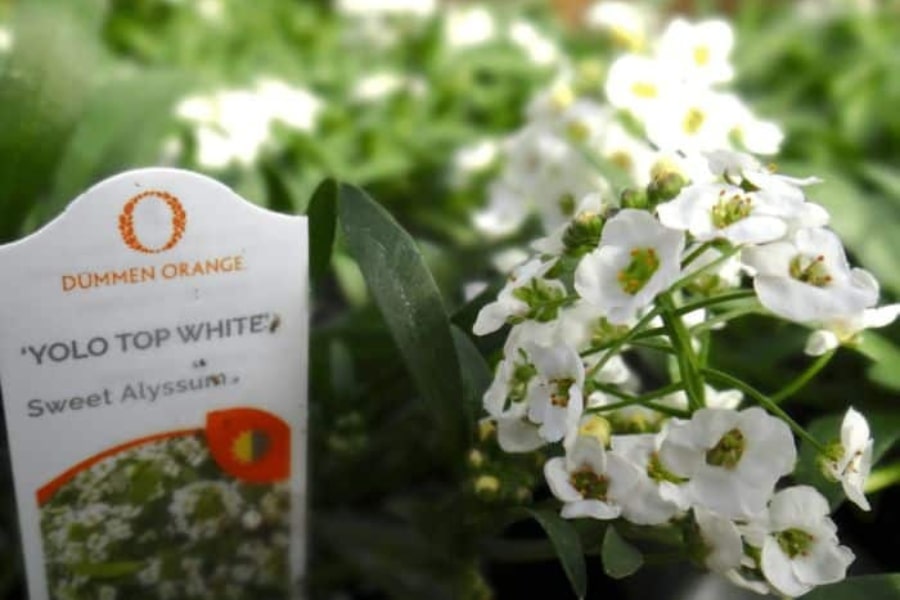
Sweet Alyssum
One of the most popular varieties of Alyssum is Lobularia Maritima, commonly known as Sweet Alyssum. This plant is grown for its fragrant, honey-scented flowers that attract bees, butterflies, and other pollinators. Sweet Alsyssum is a low-growing plant often used as a ground cover or border plant in gardens. It is also commonly grown in hanging baskets and containers.
Growing And Caring For Lobularia
Lobularia performs best in well-drained soil rich in organic matter and prefers a location that receives full sun for most of the day. In cooler climates, full sun encourages the heaviest flowering and the most compact growth habit. Here in the South Carolina Upstate, however, the intense heat and humidity of Summer can be challenging for Lobularia. For the longest display, I often recommend planting it where it receives morning sun and some protection from the hottest afternoon rays. Regular watering becomes especially important as temperatures rise, as plants stressed by heat and drought will quickly decline.
Many gardeners choose to use Lobularia as an early Spring and Fall color plant when temperatures are naturally cooler and conditions are ideal. Modern varieties such as the Easy Breezy, Stream Compact, and Techno series offer improved heat tolerance compared to older selections, but even these varieties may slow blooming during the hottest part of Summer before rebounding when cooler temperatures return.
Lobularia remains is rarely troubled by insects and generally avoids the fungal problems that affect many other cool-Season annuals. The primary challenge is maintaining adequate soil moisture. Lobularia does not tolerate drought well, and even short periods of dryness can cause plants to become stressed. When the soil dries excessively, foliage often turns yellow, flower production declines, and blooms may drop prematurely. In severe cases, plants can become thin and leggy as they struggle to recover. Applying a layer of mulch around the plants helps conserve moisture, regulate soil temperatures, and reduce competition from weeds.
Consistent watering, especially for plants growing in containers and hanging baskets, is the key to keeping Lobularia lush and flowering continuously. Deadheading is generally unnecessary, particularly with modern self-cleaning varieties that naturally shed spent blooms and continue producing new flowers. With proper moisture and a little protection from extreme heat, Lobularia can provide months of sweet fragrance and clouds of blooms that attract bees, butterflies, and other beneficial pollinators throughout the growing Season.
Leaves and Flowers
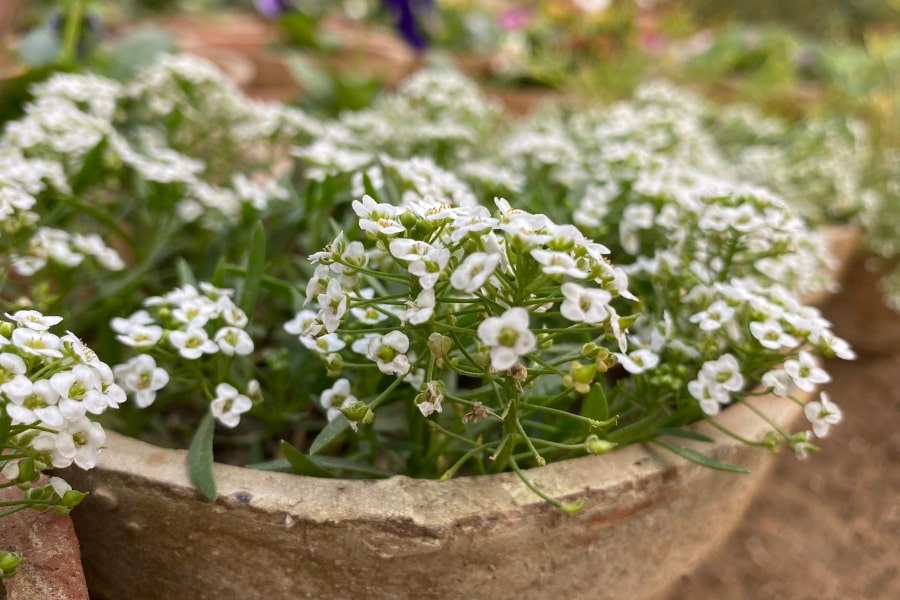
The leaves of Lobularia are small and lance-shaped, arranged in an alternating pattern along the stems. They are typically gray-green or light green, offering a subtle backdrop for the vibrant blossoms. The flowers are tiny and clustered together in dense clusters or spikes at the tips of the stems. They bloom in shades of white, pink, lavender, and shades of purple. Despite their small size, the flowers of Lobularia pack a punch of fragrance, emitting a sweet and honey-like scent that is particularly enticing in the evenings. These dainty blooms add beauty to the garden and attract pollinators.
Companion Planting with Lobularia
Companion planting is a time-honored gardening practice that involves strategically placing plants near each other to enhance growth, repel pests, and improve overall garden health. Lobularia emerges as a standout companion that adds aesthetic appeal and contributes significantly to the well-being of neighboring plants. Its role in attracting beneficial insects, enhancing pollination, and repelling pests makes it a valuable ally for gardeners seeking a thriving and balanced garden ecosystem.
Attracting Beneficial Insects
One of the primary benefits of companion planting with Lobularia is its ability to attract beneficial insects. The tiny, honey-scented flowers are a magnet for pollinators like bees and butterflies. These industrious insects play a crucial role in pollination, fostering the reproduction of many garden plants. By providing a nectar-rich source, Lobularia encourages the presence of these pollinators, promoting biodiversity and contributing to the overall health of the garden ecosystem.
Attracting Pollinators
Lobulair petite blossoms serve as a veritable buffet for pollinators, ensuring a steady supply of pollen for bees and butterflies. Planting Lobularia alongside fruits and vegetables can improve pollination rates, resulting in better fruit sets and higher yields. The collaborative relationship between Lobularia and other plants creates a harmonious environment where each species benefits from the presence of the other. Gardeners cultivating tomatoes, peppers, and squash, among other crops, may find that interspersing Lobularia throughout their garden fosters more abundant and healthy harvests.
Repelling Pests
Lobularia is not just an attractive addition to the garden; it also plays a role in pest management. While delightful to humans, its fragrance acts as a natural deterrent for certain pests. The scent emitted by Lobularia has been found to repel aphids, spider mites, and other common garden nuisances. Intercropping Lobularia with susceptible plants can create a protective barrier, reducing the likelihood of pest infestations and minimizing the need for chemical interventions.
Choosing The Right Companion
Choosing the right companions for Lobularia is key to maximizing its benefits. Some plants thrive particularly well when planted near Lobularia:
- Tomatoes: Lobularia ability to attract pollinators benefits tomato plants, leading to better fruit development. Additionally, its pest-repelling properties can help protect tomatoes from aphids and whiteflies.
- Broccoli and Cabbage: Planting Lobularia near these brassicas can attract beneficial insects that prey on common cabbage pests, such as cabbage worms.
- Strawberries: Lobularia enhances pollination for strawberries, contributing to larger and more flavorful berries. It also helps deter pests like aphids that can plague strawberry plants.
- Carrots: Lobularia fragrance can help keep carrot flies at bay, protecting the delicate roots of carrot plants.
- Chrysanthemums: Combining Lobularia with chrysanthemums creates a powerful duo for pest control. Chrysanthemums contain compounds that repel nematodes, complementing Alyssum’s ability to deter surface pests.
Frequently Asked Questions
Is Lobularia Edible?
Yes. Lobularia, particularly the Sweet Alyssum (Lobularia maritima), is considered edible. Its delicate flowers have a mild, sweet flavor with a hint of honey and can be used to garnish salads, desserts, or even as a decorative addition to drinks. However, ensure you’re consuming Alyssum that hasn’t been treated with pesticides or other chemicals meant for non-edible plants. Always verify the variety and its suitability for consumption before ingesting any plant.
Is Lobularia Poisonous To Dogs?
Sweet Alyssum is generally considered non-toxic to dogs, though it’s always best to exercise caution. Ingesting large amounts of foreign material, including plants, can upset a dog’s stomach and lead to gastrointestinal issues such as vomiting or diarrhea. If your dog consumes a significant amount of Lobularia or any other plant and shows concerning symptoms, consult with a veterinarian for guidance.
Is Lobularia Invasive?
Lobularia is not typically considered invasive, but it can spread beyond its intended area under favorable conditions, such as mild climates and well-drained soil.